
Smart TV Sample Inspection Checklist: What Importers Should Test Before Mass Production
After shortlisting a supplier with a structured Smart TV supplier evaluation, the next step is to test a representative sample against a written requirement sheet. This checklist helps importers, distributors and private-label buyers record what was approved before mass production. You can use it while reviewing the AMAZ television portfolio or comparing samples from several suppliers.
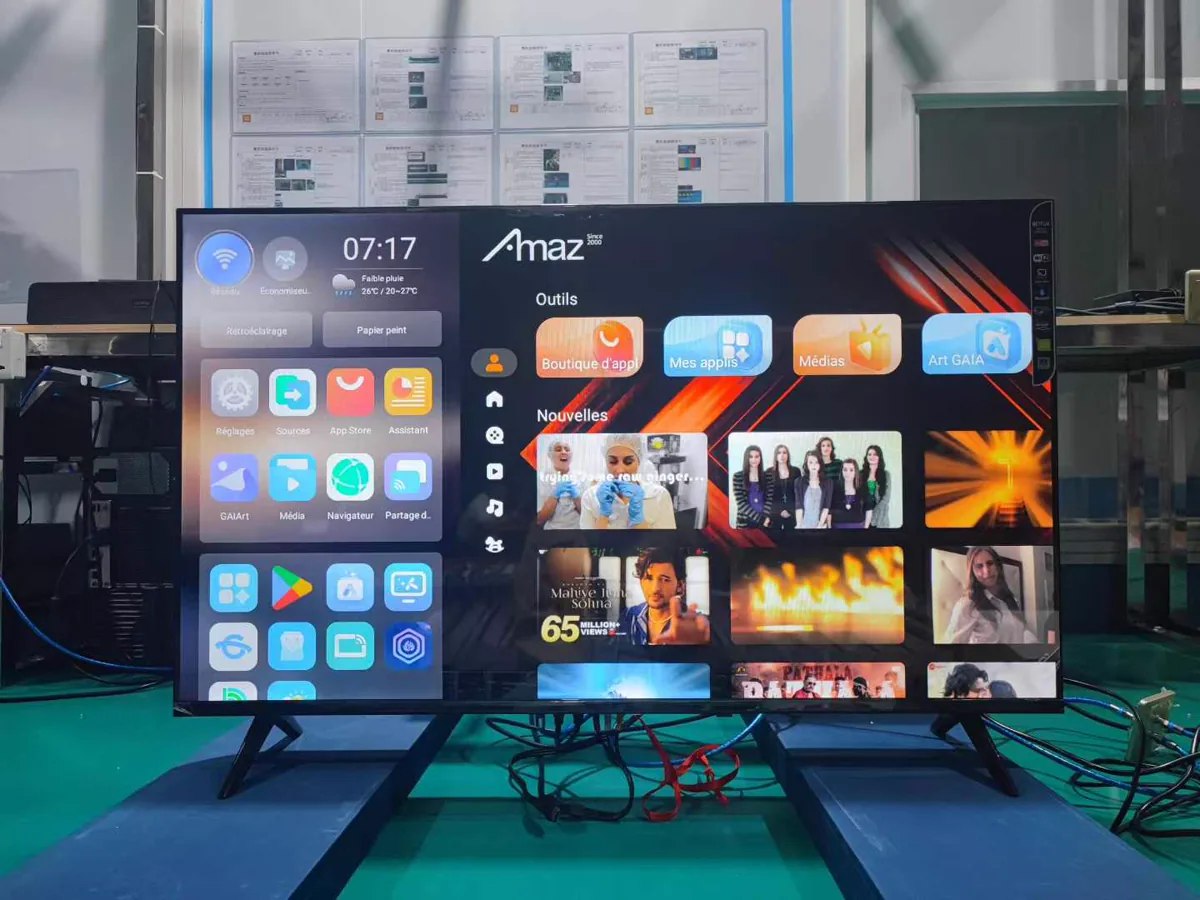
1. Confirm that the sample matches the proposed order
A sample is useful only when its identity and configuration are recorded. Ask the supplier to identify every difference between the sample and the proposed production unit before testing begins.
Use the current television catalogues for initial selection, but treat the approved model-specific specification as the production reference.
- Model number and screen size
- Panel and resolution reference
- Operating system and software version
- Memory, storage, tuner and wireless configuration
- Voltage, frequency and plug
- Remote control, stand, cables and other accessories
- Logo, labels, carton and manual version
2. Inspect the cabinet, screen and visible finish
Inspect the television under suitable lighting before and after it is powered on. Define acceptable cosmetic and display limits in the purchase specification instead of relying on subjective descriptions such as ‘good quality’.
- Cabinet gaps, scratches, marks and colour consistency
- Stand fit, screw holes and stability
- Screen surface, bezel alignment and protective film
- Dead or bright pixels against the agreed limit
- Uniformity, light leakage and visible banding on test images
- Picture modes, brightness, colour and viewing angle
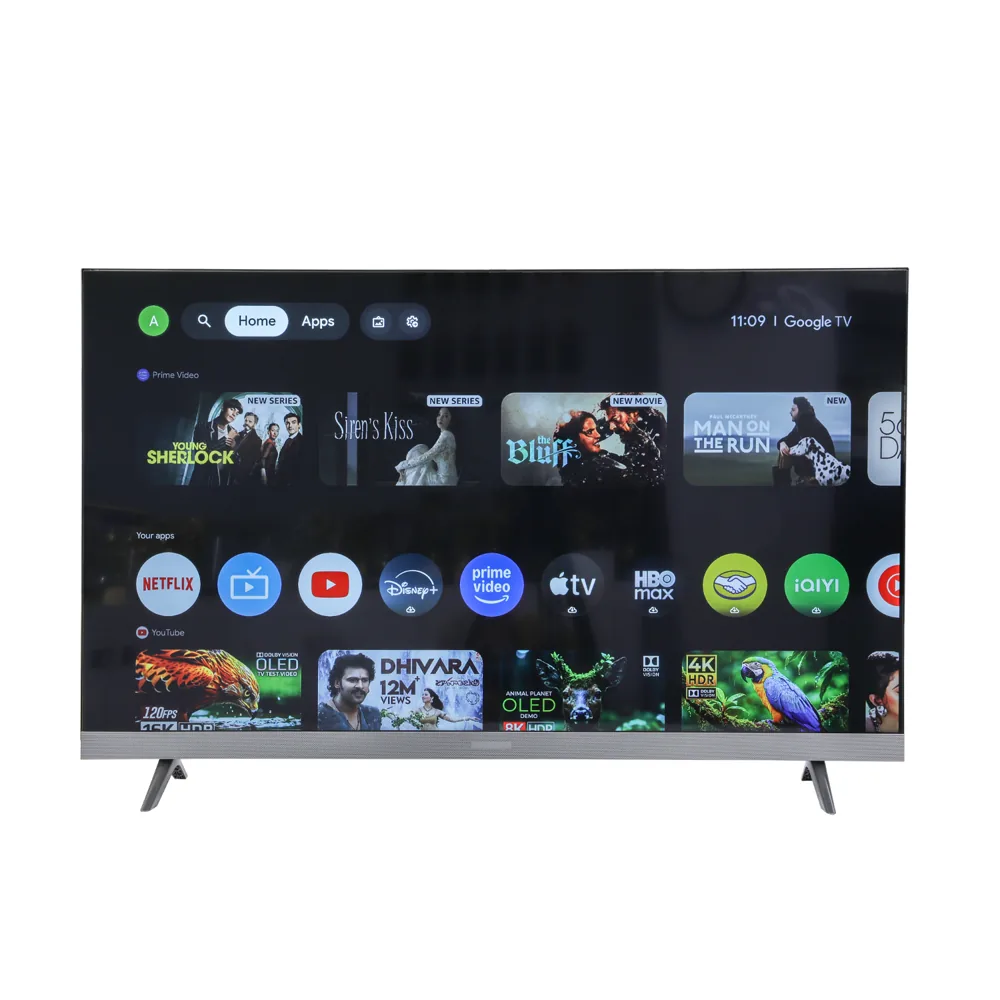
3. Test the operating system, applications and connectivity
A Smart TV sample should be tested as a complete user experience, not only as a working display. Review the official Google TV feature overview when Google TV is proposed, while confirming the exact licensed configuration and market availability with the supplier.
- Cold start, standby wake-up and menu response
- Wi-Fi connection and reconnection
- Bluetooth pairing where included
- Application opening, playback and sign-in flow
- Casting, screen sharing or voice functions where included
- Menu languages, time zone and factory-reset behaviour
- Software version and update arrangement
4. Verify ports, tuner, power and market configuration
The sample must match the destination market, but functional inspection is not a substitute for product compliance testing. Identify the standards required in the target country and request model-specific evidence. IEC 62368-1:2023 is an international safety standard for audio/video and ICT equipment; applicability and local adoption must be confirmed for the destination market.
- HDMI, USB, LAN, antenna and audio ports
- Local broadcast standard and channel scan
- Voltage, frequency, plug and power label
- Remote-control range and button mapping
- Speaker output and audio modes
- Included accessories and printed instructions
5. Run stability and repeat-operation checks
One successful startup does not show how the sample behaves during repeated or extended use. Agree the operating duration and test sequence with the supplier or inspection company; there is no single universal test time for every model and market.
- Repeated power-on, standby and input switching
- Extended video and audio playback
- Streaming or application use under a stable network
- Heat, unusual noise, smell or restart behaviour
- Remote-control response over repeated operations
- Recovery after power interruption or factory reset
6. Check packaging, labels and included documents
Packaging inspection should confirm both protection and market readiness. Record the approved packaging components so later production can be compared with the same reference.
- Inner protection, bag, corner blocks and carton fit
- Carton dimensions, gross weight and handling marks
- Model, serial, voltage and destination labels
- Barcode and carton-mark content
- Manual, warranty card and required languages
- Accessory placement and packing list
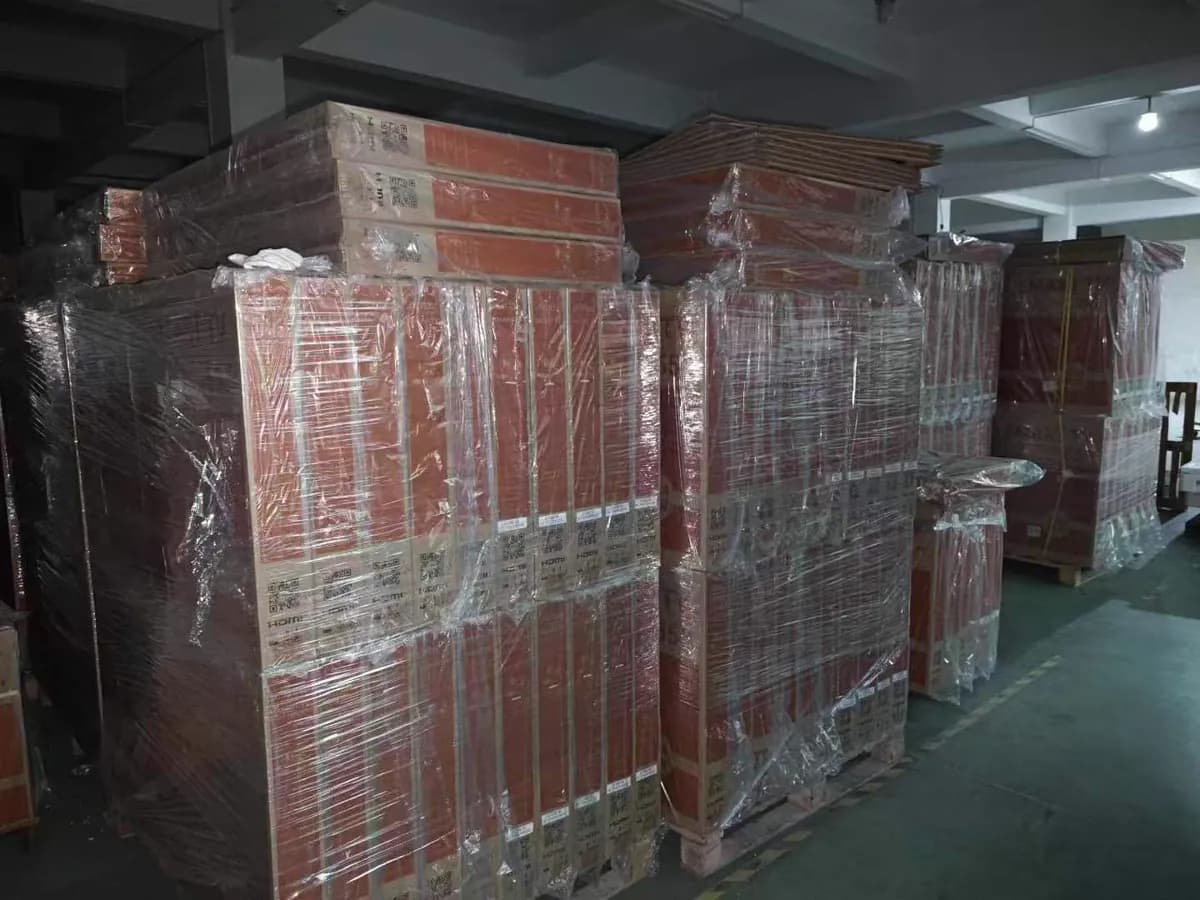
7. Define the pre-shipment inspection plan before production
Sample approval and production inspection are different controls. The purchase agreement should define lot size, sampling method, defect categories, acceptance limits and the action required after a failed inspection. ISO 2859-1:2026 describes AQL-indexed sampling schemes for lot-by-lot inspection, but the appropriate plan should be agreed with a qualified inspector for the order.
- Inspection timing and responsible party
- Sample size and selection method
- Critical, major and minor defect definitions
- Functional and packaging test list
- Reference sample and specification revision
- Reporting format, photos and failure process
8. Keep an approval record that production can follow
The final approval record should connect the sample, specification, software, packaging and documents to one identifiable version. Review the published AMAZ company documents separately from the product reports requested for the selected television and destination market.
If any feature changes after sample approval, record the change and decide whether a new sample, document review or additional test is required before production.
- Signed or dated specification
- Sample photos and model label
- Software and hardware version
- Approved packaging artwork
- Open deviations and agreed corrective action
- Names and dates of buyer and supplier approval
Frequently asked questions
Does sample approval guarantee that mass production will be identical?
No. Sample approval creates a reference. The production specification, change control and pre-shipment inspection plan are needed to check whether the order follows that reference.
How long should a Smart TV sample be tested?
There is no universal duration for every model. Define the operating sequence and duration according to the product, market requirements, risk and inspection plan.
Should I set a fixed pixel-defect limit?
The acceptable limit should be written in the purchase specification and agreed before production. Do not assume that every supplier, panel or market uses the same limit.
What is AQL in a pre-shipment inspection?
AQL is used in acceptance-sampling plans to determine sample sizes and acceptance or rejection thresholds. The selected plan and defect classification should be agreed for the order.
Which compliance documents should I request?
State the destination country and selected model, then ask for documents that apply to that exact product and market. Company management-system certificates are not substitutes for model-specific product evidence.