
Split AC Sourcing Checklist: What Importers Should Confirm Before Requesting a Quote
A request for “split air conditioners” leaves important decisions open. Two offers can describe similar-looking units while covering different indoor–outdoor combinations, controls, accessories and packing arrangements. A useful quotation starts with a written specification that both buyer and supplier can check. For importers, wholesalers and distributors, the goal is to define a repeatable order: the right configuration for the destination market, a clear scope of supply, and an approval record that production and inspection can follow. Use the checklist below before requesting prices. You can browse the AMAZ wall-mounted air conditioner range and product catalogues for initial selection, then ask for confirmation against the exact model and configuration in your enquiry.
1. Define the destination market and order requirements
Start with the country of sale, your distribution channel and the intended product range. A distributor building a mixed-capacity assortment needs a different quotation breakdown from a buyer ordering one configuration under a private label.
Provide the estimated quantity for each configuration, rather than only a total order quantity. Include your intended purchase window and the date by which you need the goods. Ask the supplier to distinguish production readiness from the shipping schedule.
Your opening brief should identify:
If an item is undecided, ask the supplier to quote clearly identified alternatives. Keep each alternative separate so that a lower price does not conceal a change in scope.
- Destination country and delivery location or port.
- Buyer company and sales channel.
- Reference design and required capacity mix.
- Estimated quantity per configuration.
- Brand, packaging and language requirements.
- Target purchasing and delivery dates.
2. Separate exterior design from technical configuration
An exterior reference helps identify the appearance you want. It should be accompanied by a technical specification and a matched indoor–outdoor unit combination.
For example, the AMAZ AL661 page provides a design reference for initial discussion. Your quotation should still identify the proposed indoor model, outdoor model and order configuration. Do not treat a design name as confirmation of every capacity or feature shown elsewhere in a catalogue.
Ask for a dated specification or revision number. Compare the quotation, sample labels, accessory list and packing list against that same reference. Ask the supplier to explain any different codes used for the design, technical configuration or individual units.
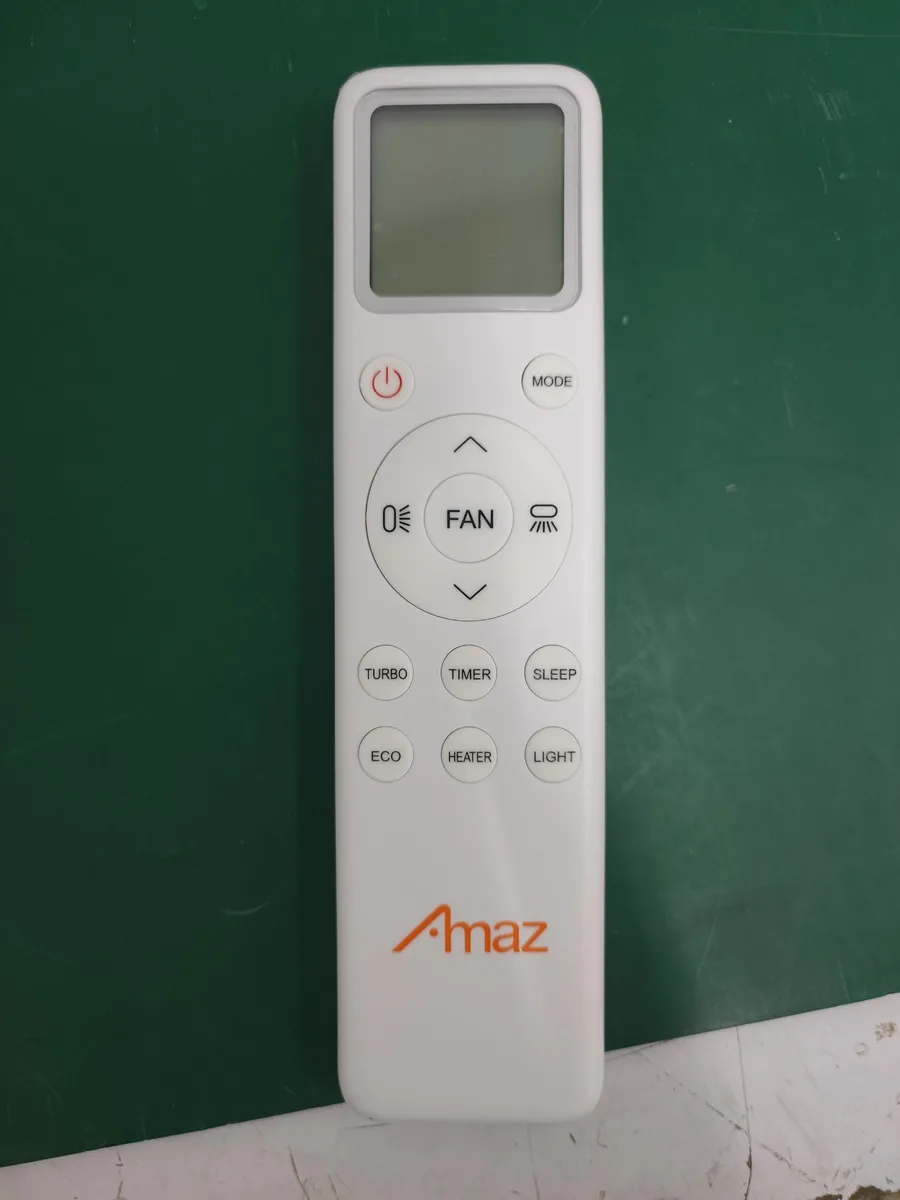
Also identify the remote control. Its appearance and button labels should not be the only basis for approving functions: confirm which commands the quoted unit actually supports.
3. Confirm capacity and cooling or heating requirements
State the required cooling capacity and whether you need cooling only or cooling and heating. Ask the supplier to state the capacity unit and the conditions used for the quoted rating. Where heating is required, request the corresponding heating specification and operating limits.
A capacity label alone does not answer every selection question. Keep these fields separate:
If capacity selection is still open, provide the intended operating environment for technical review. Do not turn a general room-size estimate into a guaranteed product selection without the relevant project information.
| Procurement field | What to request |
|---|---|
| Cooling capacity | Declared value, unit and rating conditions |
| Heating requirement | Cooling only or cooling and heating, with the applicable specification |
| Electrical input | Declared power and current for the proposed configuration |
| Operating conditions | Supported ambient range and any limitations |
| Indoor–outdoor combination | The exact pair covered by the specification |
4. Specify inverter, power supply and operating conditions
Make inverter or fixed-speed configuration an explicit enquiry field. Ask the supplier to identify the proposed version rather than inferring it from the housing or a product image.
Confirm voltage, frequency, phase where applicable, and the electrical connection arrangement. A photographed plug or cable is a reference to that sample, not a complete electrical specification for your order.
Where high ambient temperature, generator power or unstable electricity is part of the requirement, describe the conditions and request evidence for the proposed configuration. Ask what the stated climate designation covers and what supporting technical information is available.
Do not assume that one regional configuration is suitable for every country in that region. Put the destination country and operating requirements on the RFQ, then obtain the model-specific response.
5. Check refrigerant, energy information and market documents
Ask for the refrigerant type and the proposed unit's technical specification. If refrigerant charge information is needed for your purchasing or logistics review, request it for the exact configuration.
For energy comparisons, request the efficiency metric, test method, rating conditions and the indoor–outdoor combination covered. Compare figures on the same basis. A promotional energy-saving sticker does not, by itself, establish a verified efficiency class for your destination market.
Prepare a document list with your importer or local adviser. Ask the supplier to map available reports or certificates to the proposed model, manufacturer and configuration. Check the document holder, model scope, issue status and permitted use.
Company management documents and product reports serve different purposes. Use the product-document verification guide to organise this review, and resolve missing evidence before purchase approval.
6. Confirm the complete set and packaging scope
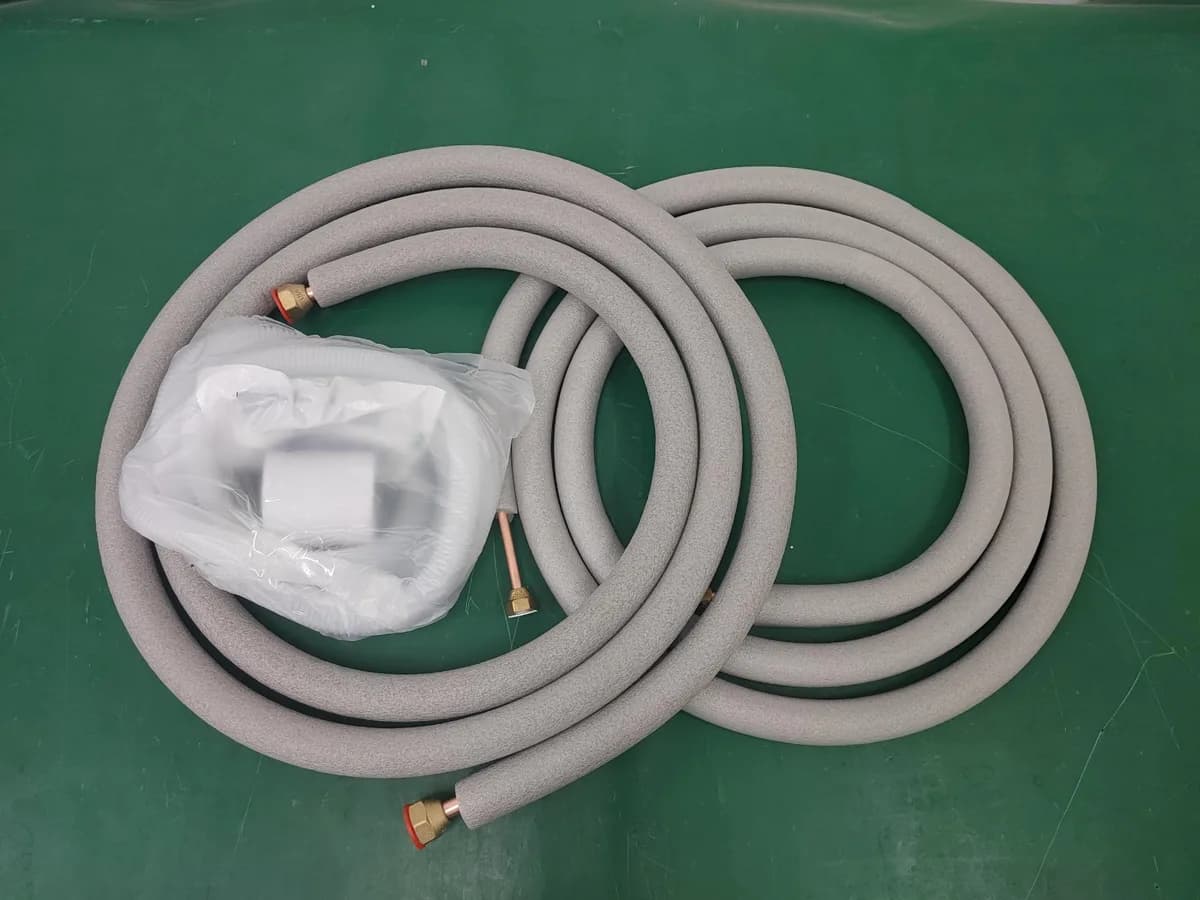
Ask what one quoted set includes. List the indoor unit, outdoor unit, remote, manual and any other accessories individually. Clarify whether installation materials are included, optional or excluded.
If pipe assemblies are offered, confirm their specified material, dimensions, length, insulation and connection details. Do not estimate these from a photograph. Record the drain hose, wiring and mounting items separately where relevant.
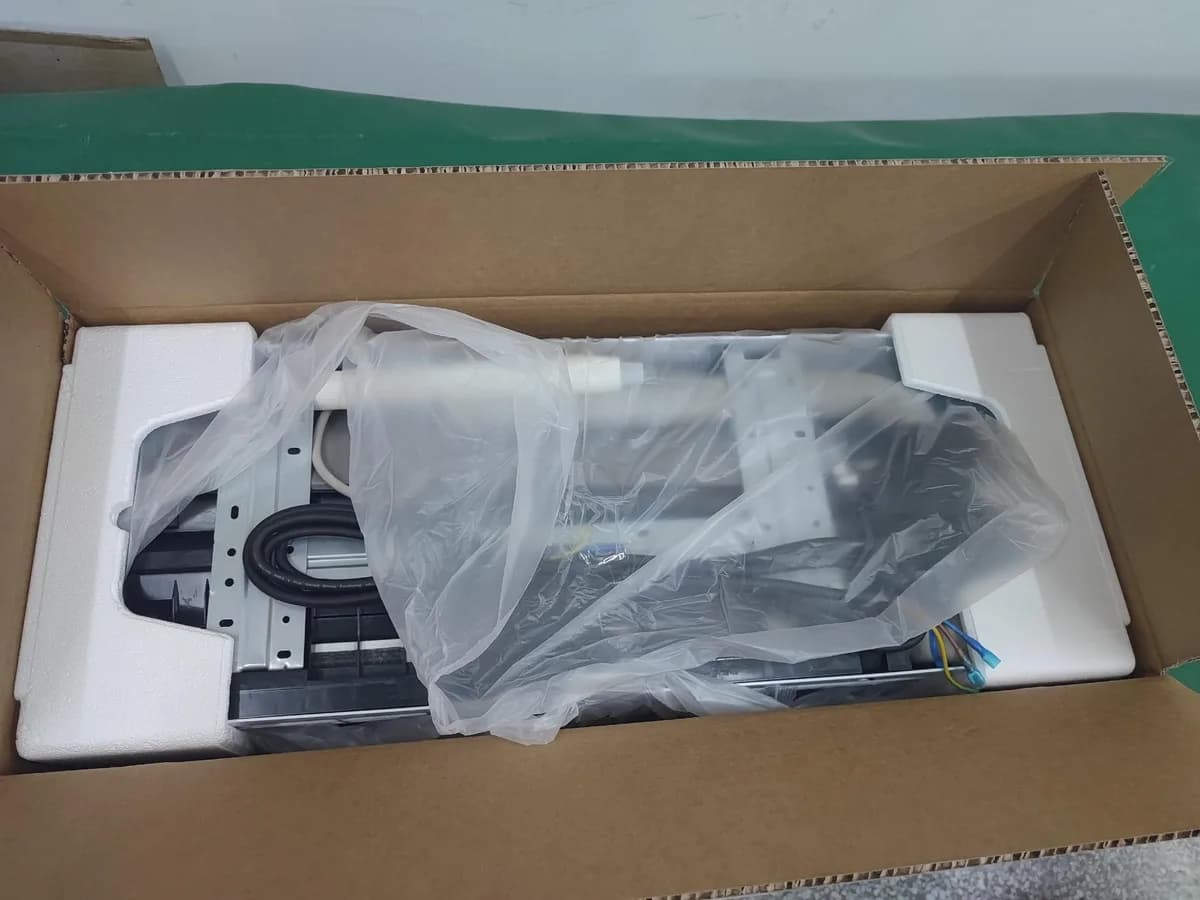
For packing, request the indoor and outdoor carton dimensions, gross and net weights, carton count per set and accessory placement. Confirm the protective materials, handling marks, model labels and required manual languages.
Have the supplier calculate the loading plan from the approved carton sizes and capacity mix. Keep container quantity separate from MOQ, and ask which assumptions apply to a mixed load.
7. Agree on sample approval and inspection
A representative sample is useful when its identity and configuration are recorded. Ask the supplier to state any differences between the sample and the proposed production units before approval.
Record the unit pairing, specification revision, labels, remote, accessories and packing arrangement. Agree which functional and packaging checks will be performed, who will perform them and how results will be documented. Installation and operating checks should be assigned to qualified personnel using the applicable instructions.
Inspection photographs can document visible condition and the items reviewed. They do not replace test records or establish a passing performance result without the test conditions and acceptance criteria.
Before production, agree on change approval and the response to inspection failures. Specify which changes require a revised specification or a new sample. Keep sample approval and production inspection as separate controls.
8. Request a quotation with a clear commercial scope
Ask the supplier to return a line-by-line response to your RFQ, identifying any deviations. Each price line should refer to a specific configuration, quantity and scope of supply.
Confirm the minimum quantity per configuration, mixed-order conditions, sample arrangements, payment terms and quotation validity. Ask when the lead time starts and which approvals or materials must be ready first. Record warranty coverage, spare-parts arrangements and claim handling in writing.
State the delivery term with the named place or port and the agreed rules edition. The official ICC Incoterms® guidance explains how these rules allocate delivery-related tasks, costs and risks. Confirm the remaining commercial terms separately.
When offers arrive, use the supplier quotation comparison guide to check configuration and exclusions before comparing unit prices.
Copy this split AC RFQ checklist
Send one version of the following list to each shortlisted supplier. Ask for a response to every field and keep proposed alternatives in separate quotation lines.
| Field | Information to provide or request |
|---|---|
| Buyer and market | Company, destination country and sales channel |
| Design reference | Link, image or exterior reference |
| Unit pairing | Proposed indoor and outdoor model numbers |
| Capacity and modes | Cooling requirement; heating requirement if applicable |
| Configuration | Inverter or fixed-speed |
| Electrical supply | Voltage, frequency, phase and connection requirements |
| Environment | Intended conditions and special operating requirements |
| Refrigerant and efficiency | Required information and supporting evidence |
| Quantity | Units per configuration and proposed mix |
| Included items | Remote, manual, installation materials and other accessories |
| Branding and packing | Logo, languages, labels, cartons and packing list |
| Documents | Required model-specific reports and market documentation |
| Approval | Sample, inspection, change approval and acceptance arrangements |
| Delivery | Named place or port, trade term and required date |
| Commercial response | MOQ, sample, payment, lead time, warranty, spares and offer validity |
Prepare your air conditioner enquiry with AMAZ
Choose a reference from the AMAZ air conditioner range and send your destination country, capacity mix, estimated quantity and required configuration.
Contact AMAZ to discuss your split AC sourcing requirements. Include your accessory, branding, document and delivery requirements so that available options and quotation scope can be reviewed against one written brief.
Frequently asked questions
Can I compare split AC quotations by capacity alone?
No. Compare the indoor–outdoor combination, configuration, electrical supply, rating conditions, accessories, documents and commercial scope as well.
Does an exterior model name confirm all technical features?
No. Use it to identify the design, then obtain the exact technical configuration and unit pairing in the written quotation.
Are installation pipes and brackets always included?
Their inclusion must be confirmed for the quotation. Ask for an itemised accessory list with the relevant specifications.
Can an inspection photo prove energy efficiency or certification?
A photo can show a sample, label or inspection activity. Verify efficiency and certification claims against documents covering the exact model and configuration.