
T1 vs T3 Air Conditioners: What Importers Should Check for Hot-Climate Markets
When a quotation says “T3 air conditioner”, an importer still needs to know which unit pair is offered, how its performance was measured and what operating range the manufacturer declares. This T1 vs T3 air conditioner guide helps wholesalers and distributors request comparable evidence for hot-climate sourcing. Review the AMAZ air conditioner configurations, then use the checks below to turn a climate label into a precise purchasing requirement.
1. What T1 and T3 describe
T1 and T3 are cooling-rating climate designations for moderate and hot conditions respectively. ISO 5151 provides the performance-testing context; confirm the applicable edition and amendments with the report provider.
Keep the climate designation as its own field in the specification. It does not identify the exterior panel, compressor control type, heating function, supply voltage or documentation needed by the destination market. Each item needs confirmation for the selected configuration.
2. Separate rating conditions from the declared operating range
For a useful reference, the standard-capacity examples reproduced in UNEP’s air-conditioner policy guide supplement, Table 2 use outdoor entering-air dry-bulb temperatures of 35 °C for T1 and 46 °C for T3. These are rating points, not universal operating cut-off temperatures.
A complete test condition includes more than the outdoor dry-bulb value. Ask for indoor conditions, relevant humidity conditions, voltage, frequency, mode and the test method. Do not assume that two quoted capacities were measured under identical conditions.
Request the manufacturer’s declared cooling operating range separately. If continuous cooling at a particular high ambient temperature matters, ask for supporting capacity and input data at that condition and any stated limitations. A single reference temperature cannot establish performance across the full range.
Keep maximum operating-temperature claims, capacity ratings and protection behaviour as separate questions. Record the meaning and evidence for each claim before using it in a distributor specification or sales statement.
3. Identify the unit pair and the intended site conditions
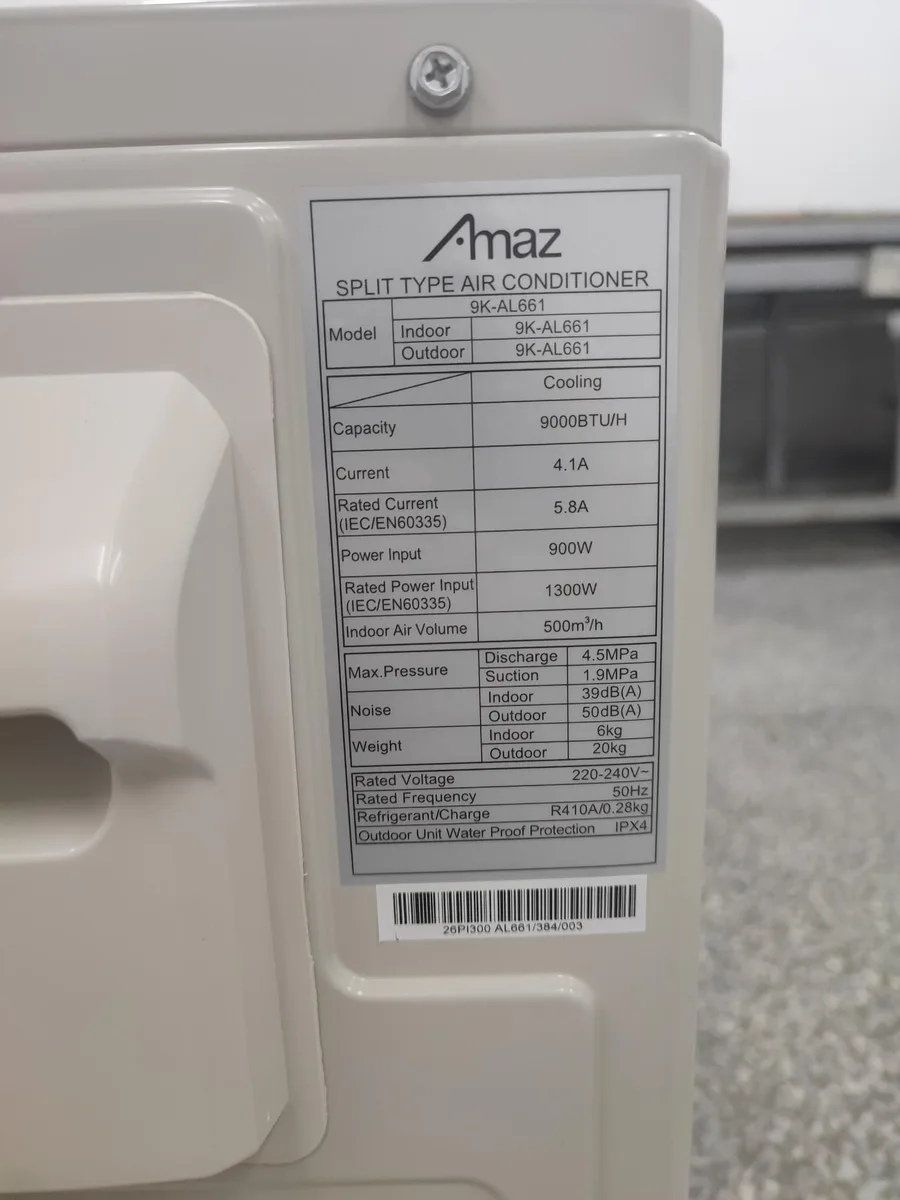
List the exact indoor and outdoor model codes, specification revision and required capacity mix. Match quotation, technical sheet, rating labels and available reports to that combination. A similar-looking outdoor cabinet is not evidence of the same climate configuration.
Describe the destination and intended use with the expected outdoor-temperature conditions, humidity context, installation setting, operating hours and supply details. Ask a qualified project or installation contact to define site requirements where necessary. Confirm manufacturer installation constraints, including clearance and airflow requirements, as part of selection.
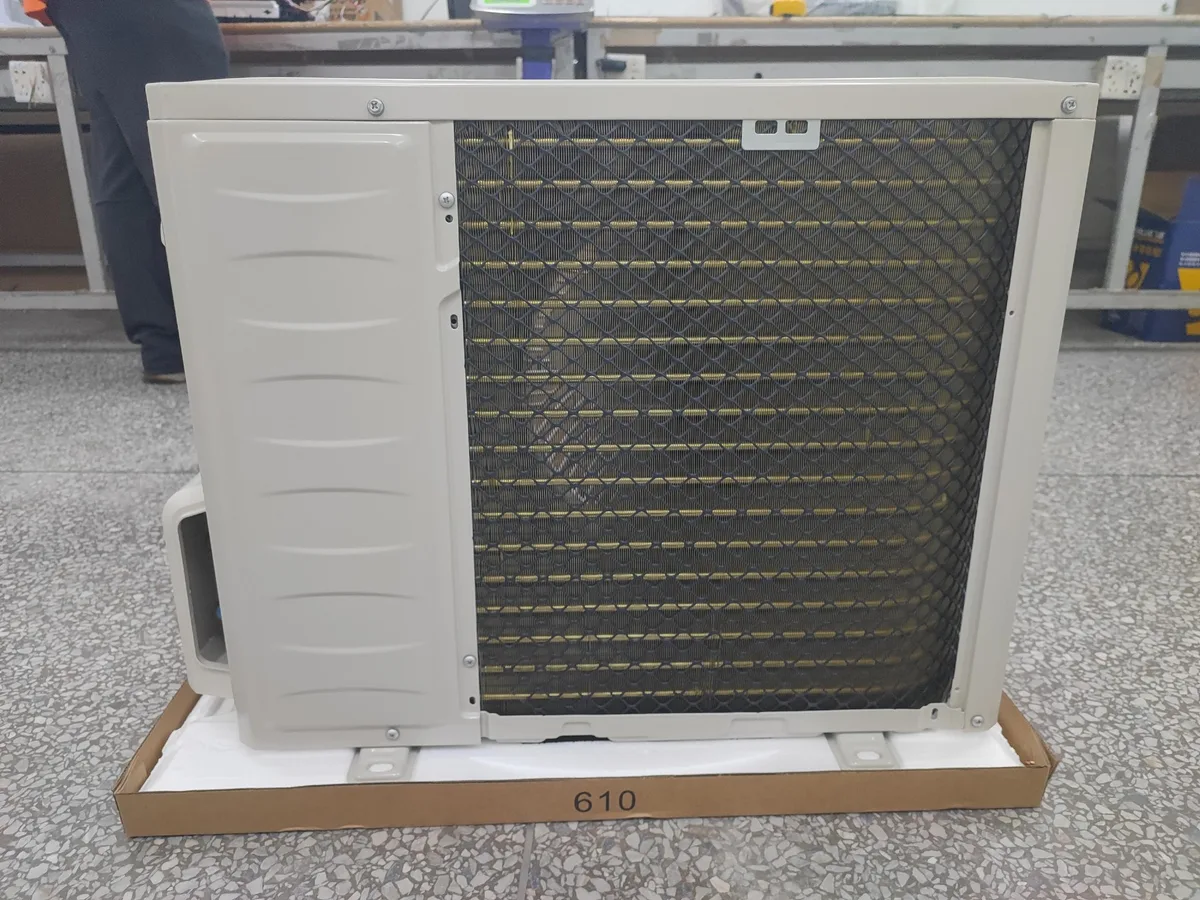
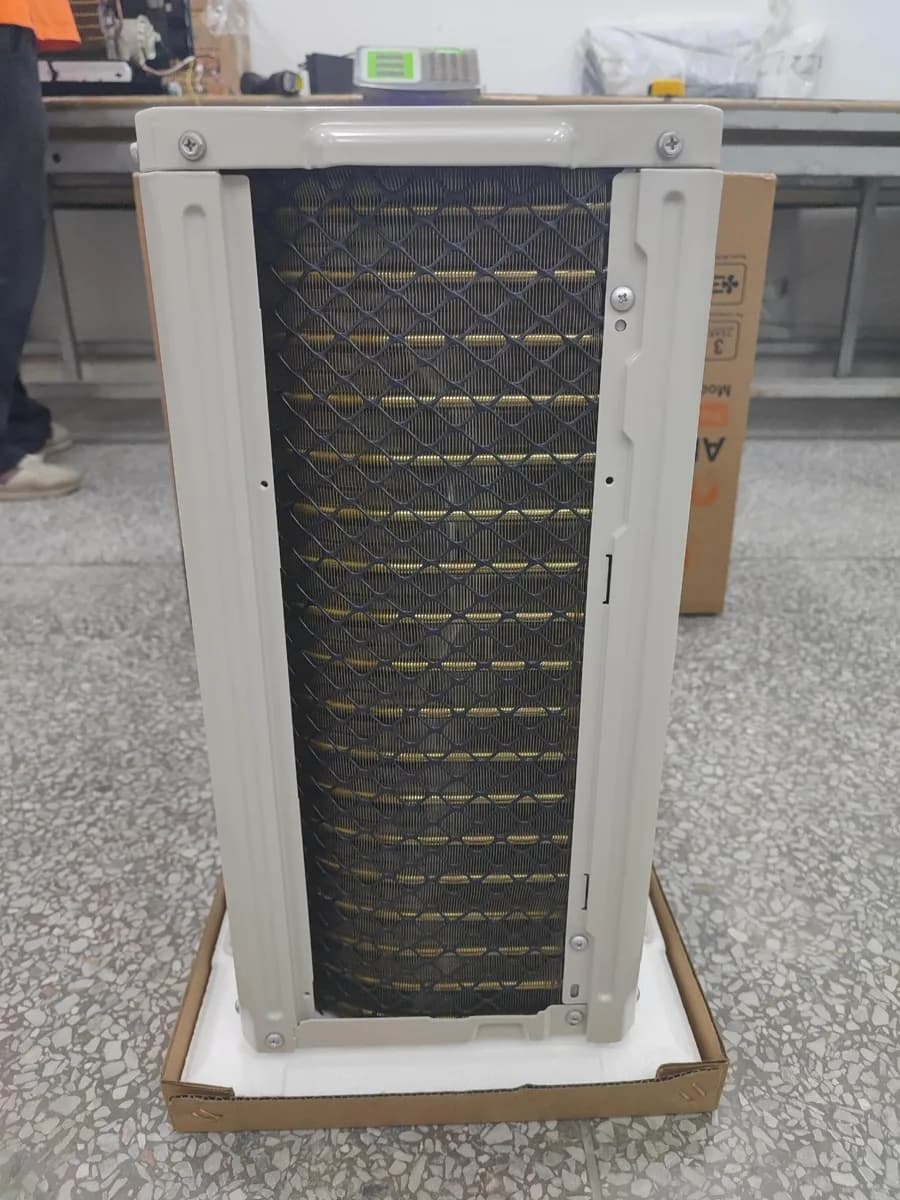
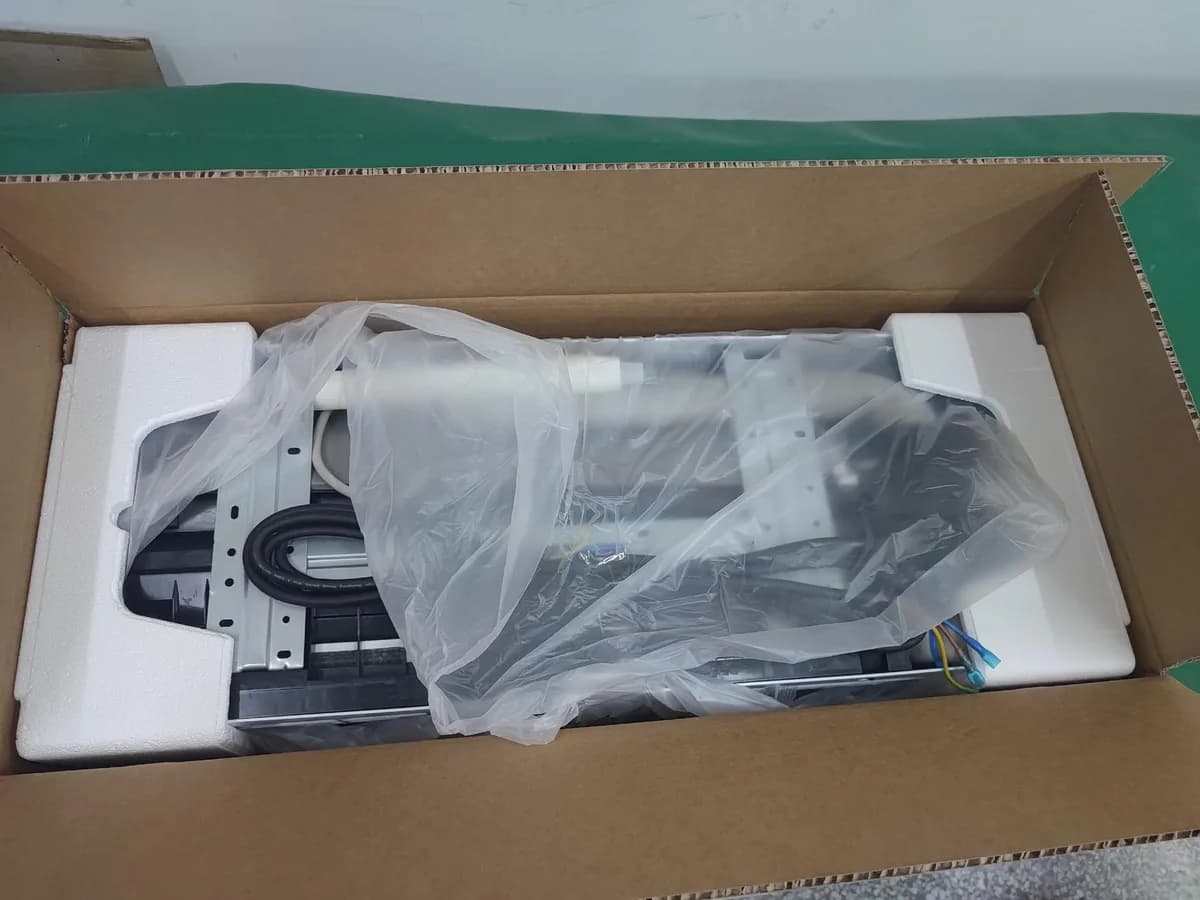
The current AMAZ range presents exterior designs separately from technical sales configurations. Confirm the design-to-configuration mapping for the order. Inspection photographs document physical references; they do not identify the pictured sample as T3 or establish that it passed a high-temperature test.
4. A T1 vs T3 procurement comparison table
Use the same purchasing brief for both offers. The reference temperatures below explain the rating distinction; the remaining fields are order-specific evidence to request. This is a buyer comparison aid, not a reproduction of the complete test standard.
| Comparison field | T1 offer | T3 offer | Importer check |
|---|---|---|---|
| Reference outdoor dry-bulb rating point | 35 °C | 46 °C | Reference conditions only; confirm the full test basis |
| Unit identity | Exact indoor and outdoor codes | Exact indoor and outdoor codes | Approved pair, revision and report scope |
| Capacity and input | Data at stated conditions | Data at stated conditions | Request comparable conditions and matched units |
| Cooling operating range | Manufacturer’s declared range | Manufacturer’s declared range | Confirm required high-ambient condition and supporting data |
| Compressor control and modes | Confirm inverter/fixed-speed and modes | Confirm inverter/fixed-speed and modes | Climate class and control type specified separately |
| Supply and documents | Confirm electrical and market requirements | Confirm electrical and market requirements | Written specification and model-specific document review |
| Order scope | Accessories, packing and support | Equivalent accessories, packing and support | Comparable quotation and acceptance records |
5. Compare capacity, input power and efficiency on a common basis
Ask the supplier to state the cooling capacity and electrical input at each reported condition. A shared nominal capacity in a model name is not enough to establish equivalent output at the buyer’s required ambient condition.
For an efficiency comparison, record the metric, units, test basis and models covered. An EER value at one rating condition and a seasonal efficiency value answer different questions; ask for the relevant basis before comparing numbers or estimating running cost.
Where data for the requested high-temperature condition is unavailable, ask what can be provided through existing reports, manufacturer data or an agreed test. Keep unverified estimates distinct from measured results. Do not convert a T3 label into a guaranteed saving, capacity-retention percentage or monthly electricity bill.
6. Keep climate class separate from inverter, supply and market acceptance
Specify T1 or T3 separately from inverter or fixed-speed control. The inverter vs non-inverter buying guide covers control-type comparisons and the support questions to include in the RFQ.
Confirm cooling-only or cooling-and-heating operation, voltage, frequency and permitted supply conditions for the exact set. A hot-climate designation does not itself confirm unstable-grid protection, generator compatibility or heating performance.
Review available documents using the model-specific certificate and report checklist. UNEP’s cited guide is voluntary policy guidance, not evidence that a particular product meets a country’s current requirements. Obtain the required model and destination documents for the order.
7. Request a traceable evidence pack and inspection brief
Ask for the dated technical sheet, unit-pair identification, climate designation, relevant performance results, declared operating range and installation instructions. In a test report, check the issuer, report reference, test date, method, sample identities, conditions and results. A standard number on a label does not replace the report.
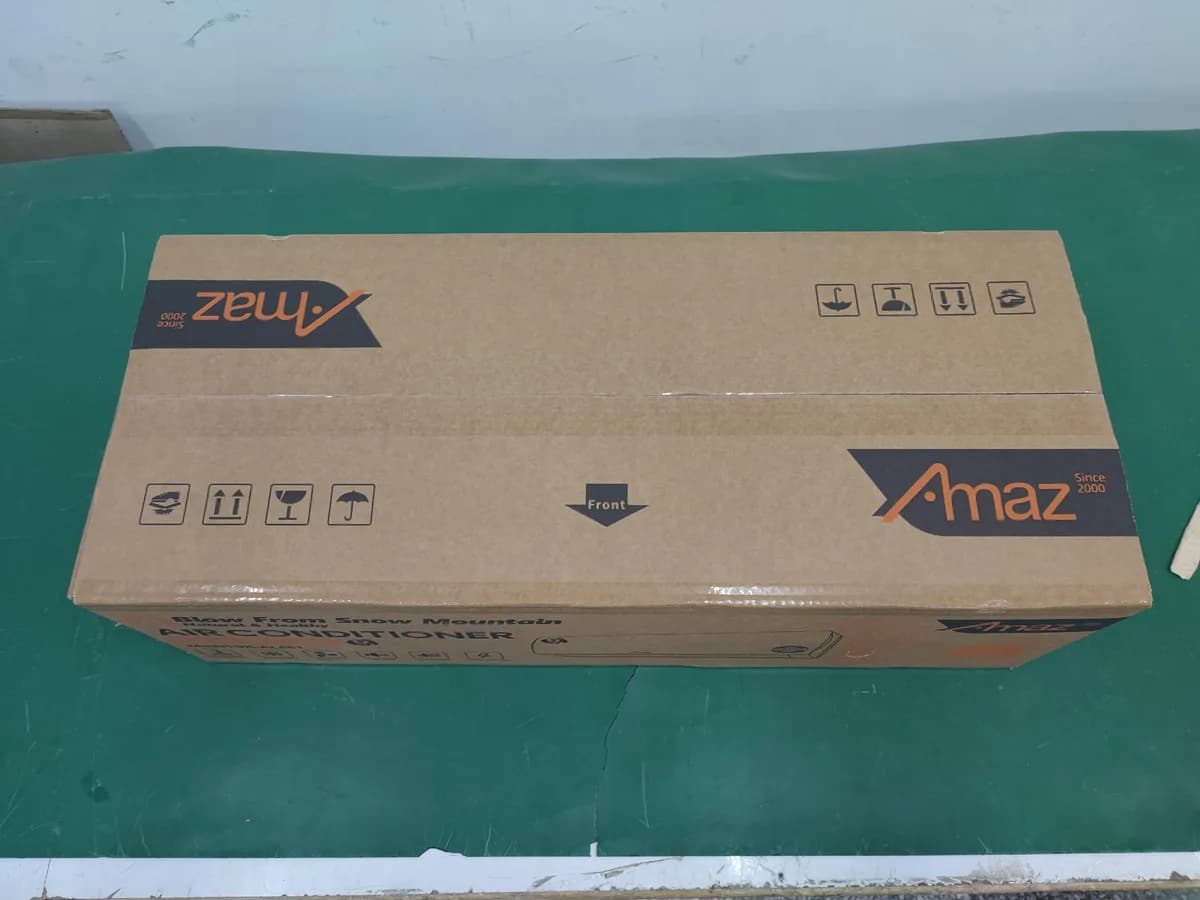
Agree the order’s accessories, protective packing, carton marks and document languages. Confirm how the factory will distinguish approved technical configurations during production, packing and inspection, particularly when exterior designs are shared.
Use the pre-shipment inspection checklist for shipment identity, workmanship, functions and packing. If a laboratory high-ambient performance test is needed, agree that activity explicitly with an appropriately equipped provider; a visual inspection or packing photograph is not that test.
8. Prepare a hot-climate split AC RFQ
Use the split AC sourcing checklist to request T1 and T3 alternatives where both are being evaluated. Keep the same capacity mix and supply scope so differences can be assessed.
Ask the supplier to mark each requested item as confirmed, supported by an identified document, or requiring further confirmation. Resolve missing evidence before final approval rather than filling gaps with assumptions about a country, climate label or exterior model.
- Destination country and sales channel or project context
- Expected outdoor conditions and required cooling range
- Capacity mix and exact indoor–outdoor combination
- T1/T3 requirement, control type and operating modes
- Voltage, frequency and backup-power details if relevant
- Required performance evidence and destination documents
- Accessory, packing, support and inspection scope
- Estimated quantity and requested commercial terms
Discuss T1 and T3 air conditioner requirements with AMAZ
Browse the air conditioner designs and market configurations and product catalogues. The AL661 page provides an exterior-design reference; confirm its technical configuration and unit pairing for your request.
Send your destination, required ambient conditions, capacity mix and estimated quantity. Contact AMAZ for a model-specific discussion and request the current specification, available evidence and quotation.
T1 and T3 air conditioner sourcing questions
Does a T1 or T3 rating temperature state the maximum operating temperature?
No. Request the declared cooling operating range separately, together with supporting performance data for the ambient conditions required.
Can I compare the same nominal capacity under different test conditions?
Request the actual capacity and input power at comparable conditions for the matched unit pair. A model name alone does not establish equivalence.
Does T3 mean inverter?
No. Specify the climate class and compressor control type separately, along with operating modes and supply conditions.
Can a product photo or carton prove a T3 claim?
No. Use the exact model identification, technical sheet and relevant test evidence. Photos support physical identification and inspection records.
Should every order for a hot country use the same configuration?
Define the actual destination requirements, site conditions, capacity, supply and document scope for the order. Avoid country-wide assumptions.
What should I send for a T3 split AC quotation?
Provide destination, ambient requirements, capacity mix, unit-pair or design preference, control type, electrical supply, documents, accessories and estimated quantity.