
50Hz vs 60Hz Split Air Conditioners: What Importers Should Check Before Ordering
A split air conditioner quotation that says “220V” still leaves a purchasing question unanswered: is the offered system specified for 50Hz, 60Hz, or both? Importers need the complete electrical specification for the approved indoor–outdoor combination before comparing prices or confirming a bulk order. The practical decision is to match the selected system to the intended supply. Neither frequency is automatically the better buying choice. Start with the AMAZ air conditioner configurations, then confirm the exact unit pair, voltage, frequency and phase in writing.
1. Specify voltage and frequency as separate requirements
Voltage is stated in volts (V); frequency is stated in hertz (Hz), or cycles per second. A 50Hz supply has 50 cycles per second, while a 60Hz supply has 60. For background, the U.S. Energy Information Administration explains grid frequency in its electricity data documentation.
For procurement, “220V / 50Hz” and “220V / 60Hz” are different specification entries. Record phase separately as well. Ask your local technical contact to confirm the intended installation supply rather than choosing from a country name alone.
IEC 60038 provides standard-voltage reference values. It does not approve a particular air conditioner for your site. Use the selected system’s declared ratings, matching instructions and technical documentation for that decision.
2. Read a 50Hz or 60Hz offer in its configuration context
The current AMAZ product table lists separate 50Hz and 60Hz configurations. The examples below illustrate why a technical sales code and nominal capacity should be read together with the full configuration.
These are two entries in the supplied sales information, not evidence that one AL12000A set can operate on both frequencies. The regional group names do not establish the supply or import requirements of every country in those regions. Confirm the current configuration and destination documents for the order.
Exterior-design codes are also separate from these sales entries. If you prefer the AL661 design, ask AMAZ to identify the corresponding technical configuration and indoor–outdoor pair for the quotation.
| Listed reference group | Technical code | Nominal capacity | Listed supply |
|---|---|---|---|
| West Africa except Guinea; T1 fixed-speed, cooling only | AL12000A | 12,000 BTU | 220 V / 50 Hz |
| Americas sales-sheet group; fixed-speed, cooling only | AL12000A | 12,000 BTU | 220 V / 60 Hz |
3. Keep inverter control separate from incoming supply compatibility
“Inverter” describes a control characteristic of the air conditioner. It is not, by itself, a declaration that the complete system accepts both 50Hz and 60Hz incoming power.
Request the declared supply ratings for the exact unit combination. If dual-frequency compatibility is offered, ask where it is stated in the corresponding specifications, rating labels and installation documentation. Confirm any differences in ratings or conditions of use.
An importer should not approve a frequency substitution from the words “inverter”, “wide voltage” or a similar-looking cabinet. Where the proposed supply is outside the documented rating, obtain the manufacturer’s assessment before including that configuration in the order. The inverter vs non-inverter procurement guide covers the separate control-type comparison.
4. Match both units and the approval documents
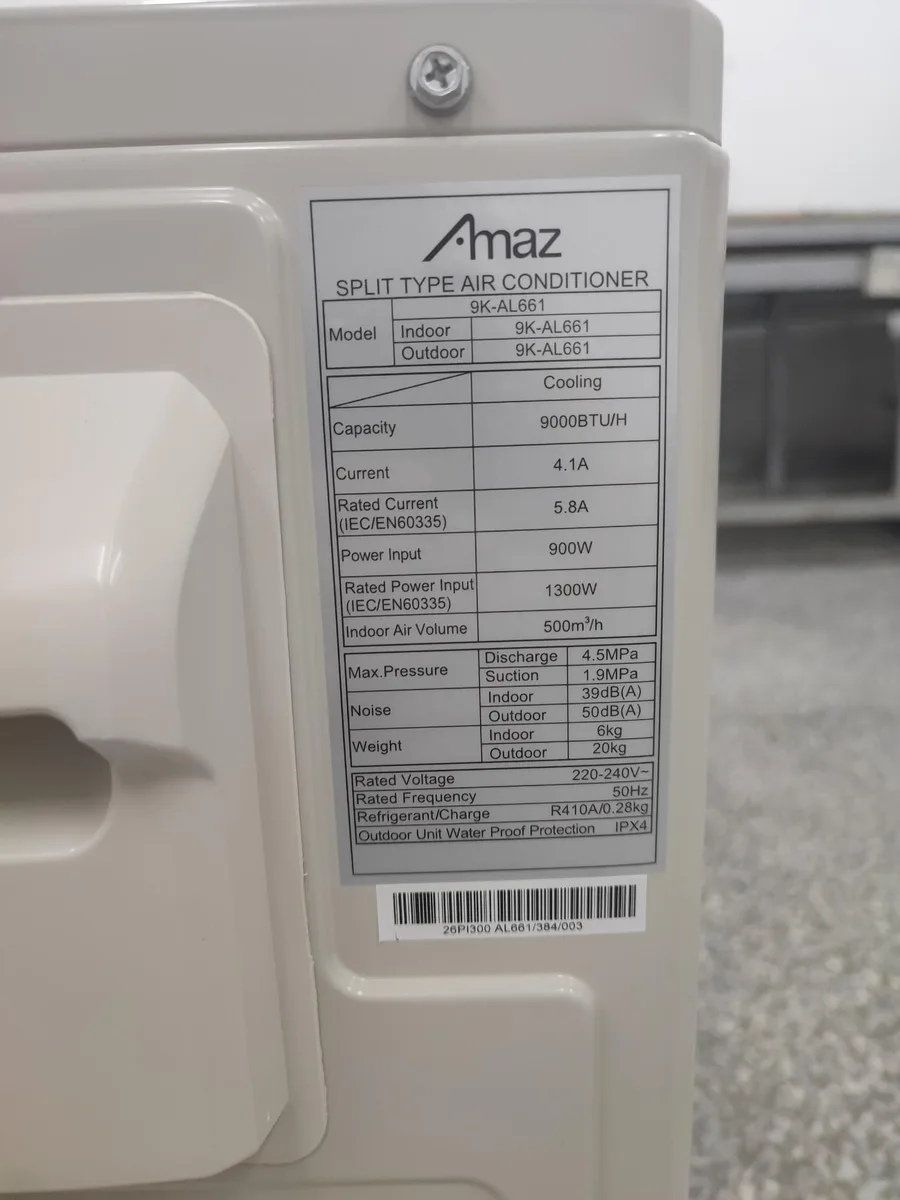
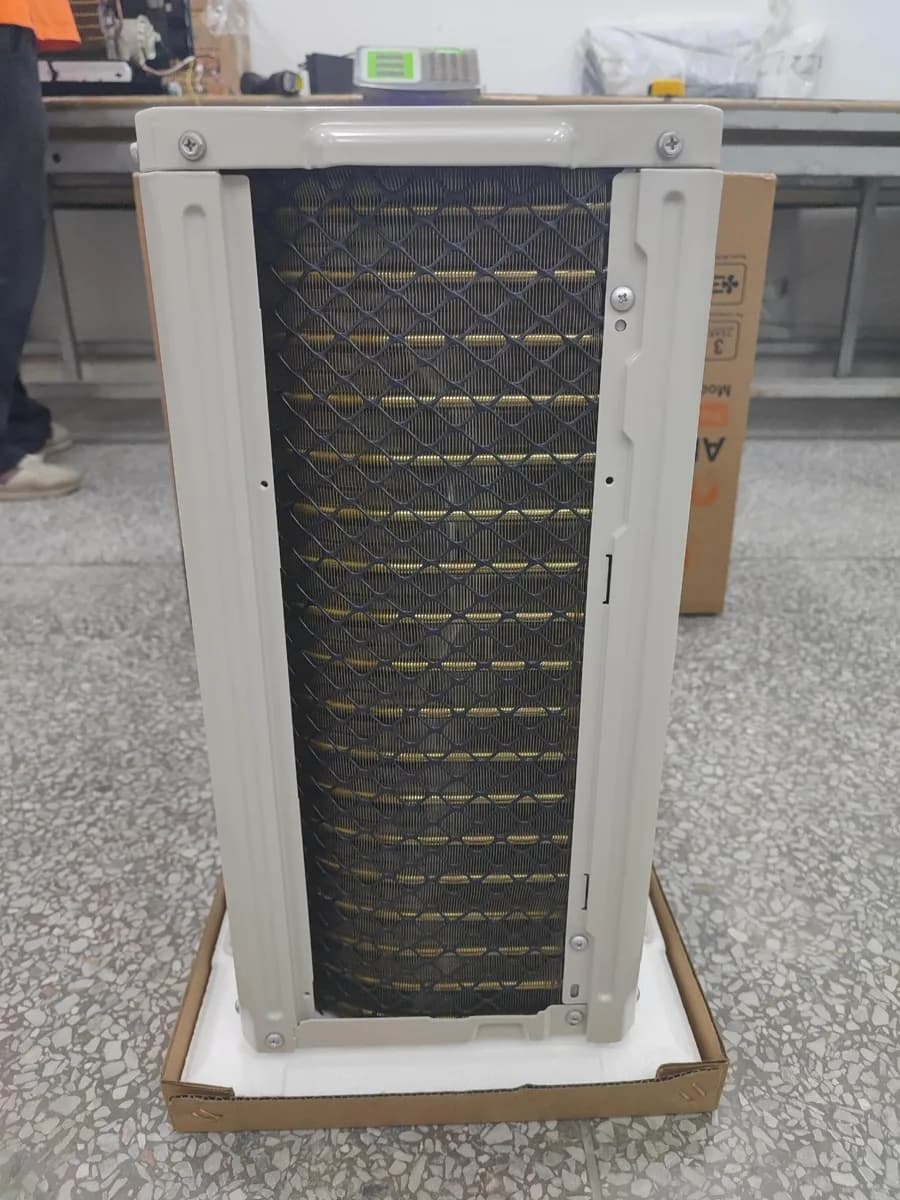
Request legible label photographs for the proposed indoor and outdoor units. Compare their identities with the dated technical sheet, approved pairing, quotation and installation instructions. The two units can have different model codes; the documentation should explain the approved combination.
Check the declared voltage, frequency and phase wherever applicable. An indoor-unit label alone is not enough to establish the electrical suitability of the complete system. Ask the supplier to resolve inconsistent codes, missing fields or different document revisions before sample approval.
5. Compare capacity and input data on the same basis
Do not assume that the same nominal BTU capacity means identical performance at different supplies. Ask for cooling capacity, electrical input and the stated test conditions for each quoted configuration.
When reviewing efficiency information, use the same metric and confirm the unit pair, operating mode and rating basis. Keep T1/T3 climate conditions separate from supply frequency. The T1 vs T3 buying guide explains that additional selection question.
A frequency label alone does not establish a running-cost saving or a capacity increase. Request the relevant model data instead of applying a general percentage to the order.
6. Carry the approved configuration through packing and inspection
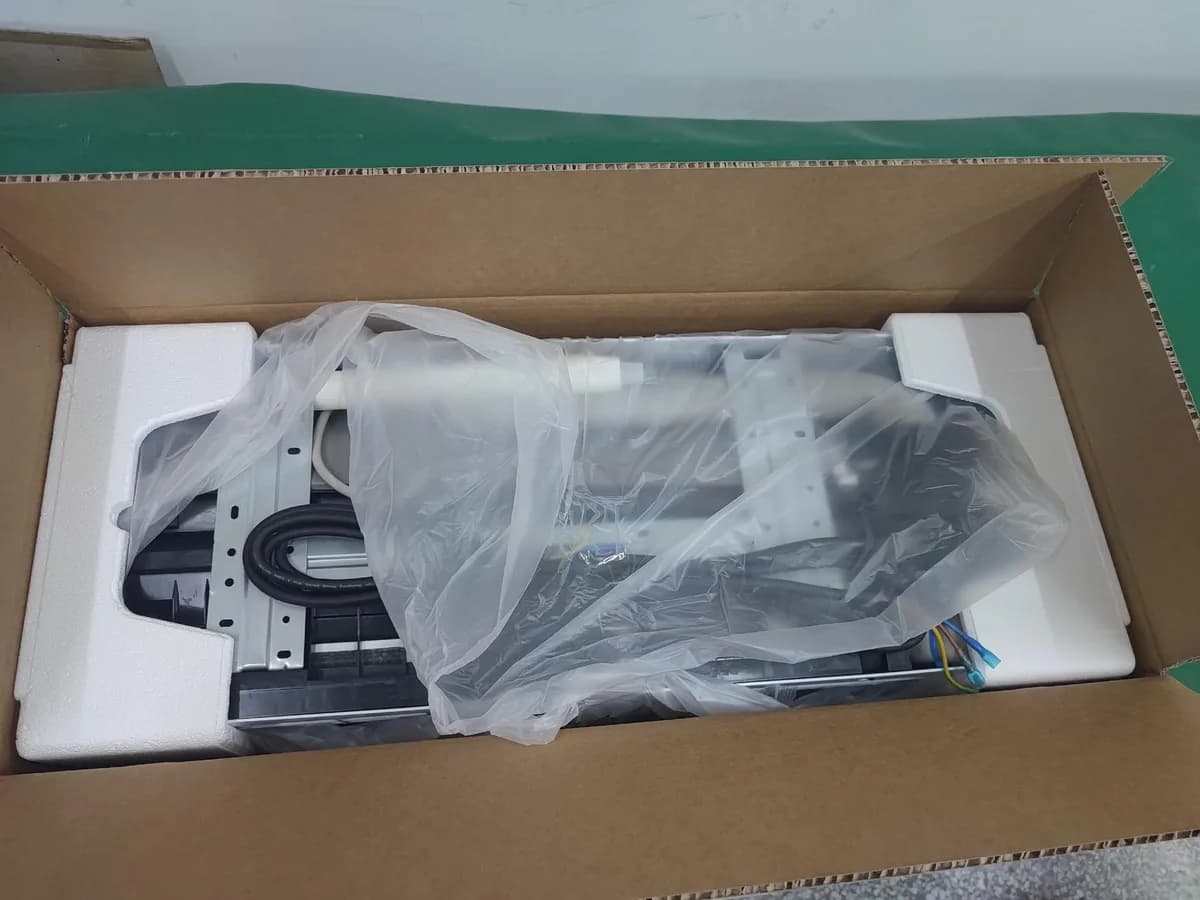
Use one approved specification revision for production, labels, manuals and carton artwork. For mixed orders, ask how the supplier will distinguish 50Hz and 60Hz items and reconcile indoor units, outdoor units and complete sets.
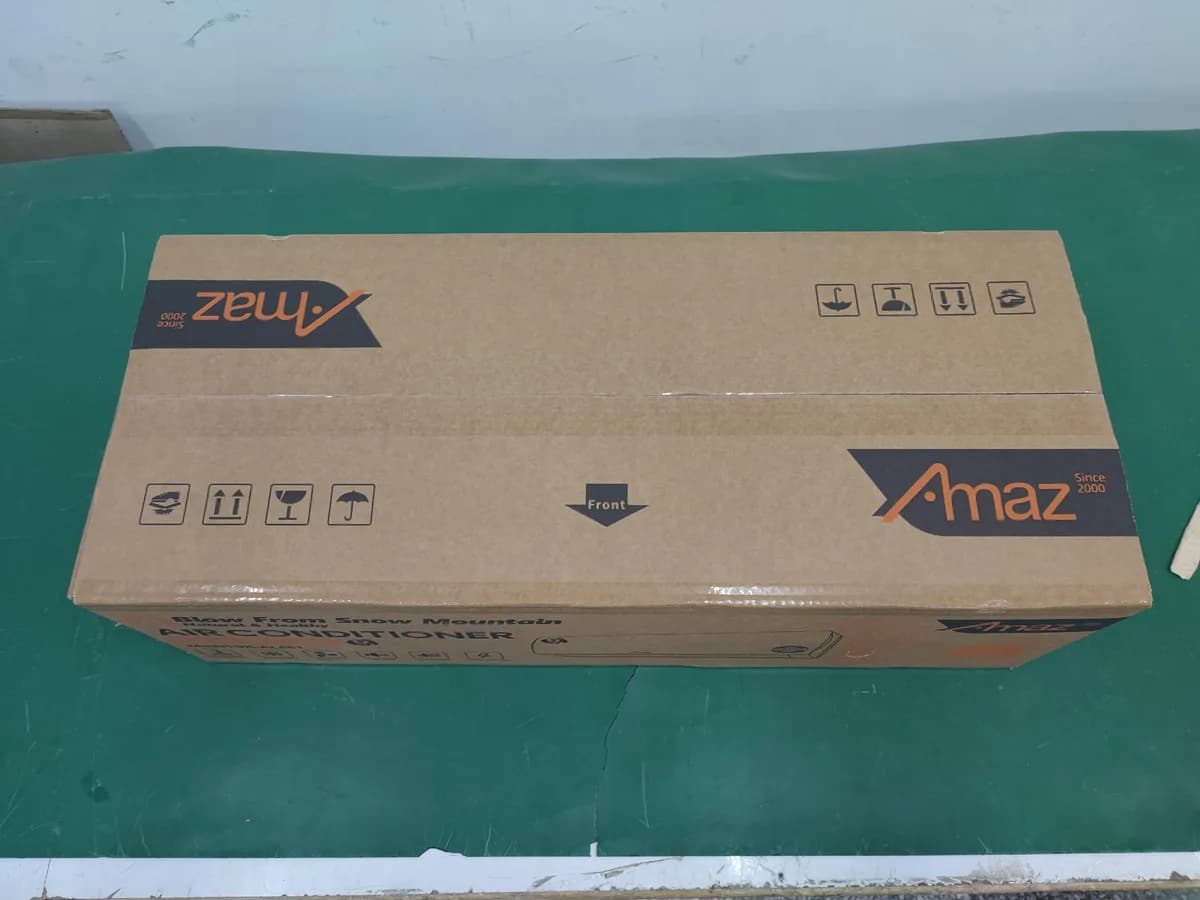
A model code repeated across configurations needs additional identification in the order and packing records. Agree the configuration description and traceability information to use; do not rely on a similar exterior or a carton count to separate variants.
Use the pre-shipment inspection checklist to define the checks and records. Agree any powered tests with a qualified provider using the intended supply and applicable instructions. Photographs support identification; they do not demonstrate an unrecorded test result.
7. Send a complete electrical requirement with your RFQ
A useful request for a 220V 60Hz split air conditioner, or a 220V 50Hz air conditioner, should identify:
If a generator or another power source is involved, describe it separately and request model-specific assessment. Do not treat a frequency match as confirmation of all supply conditions.
Keep the RFQ linked to the same specification used for the sample and final order. The split AC sourcing checklist provides the wider procurement framework.
- Destination country, delivery location and sales channel or project context.
- Nominal supply voltage, frequency and phase, confirmed by your local technical contact.
- Capacity and quantity by configuration.
- Inverter or fixed-speed control, cooling-only or cooling-and-heating mode, and climate requirements.
- Preferred exterior design and the indoor–outdoor combination to be confirmed.
- Required technical sheets, label photographs, manuals and destination documents.
- Accessory scope, carton identification, inspection requirements and requested commercial terms.
Discuss your split AC requirements with AMAZ
Review the air conditioner range and product catalogues. Send your destination, required supply, capacity mix, preferred design and estimated quantity.
Contact AMAZ or request a quotation for the current configuration, supporting documents and order terms.
Frequently asked questions
Can a 50Hz split air conditioner be ordered for a 60Hz supply?
Do not assume compatibility. Request a configuration documented for the intended supply and obtain manufacturer confirmation for the exact indoor–outdoor pair before ordering.
Does inverter mean that a split AC supports both 50Hz and 60Hz?
No. Confirm incoming supply ratings separately. An inverter description alone does not establish dual-frequency compatibility.
Is “220V” enough information for a wholesale quotation?
No. Include frequency and phase, together with capacity, operating modes and the approved unit combination.
Does the same technical sales code guarantee the same electrical configuration?
No. The current AMAZ examples reuse a code in separate configuration groups. Identify the code together with its supply, operating scope and specification revision.
Do 50Hz and 60Hz configurations have the same performance?
Request data for each exact configuration under stated conditions. Nominal capacity or frequency alone cannot establish equal output, input or efficiency.
What photos should an importer request before approving the sample?
Request clear labels for both units, overall identification views and relevant carton markings. Review them alongside the approved pairing, specification and available test documents.